High Temperature Sensors
Ovens, boilers, furnaces and exhaust systems need sensors that survive heat, thermal cycling and often vibration, while still reading reliably.
Ranges are typical guidance. The right choice depends on sheath material, insulation, process atmosphere and duty cycle.

Typical applications
- Industrial ovens and dryers
- Boilers and steam lines
- Furnaces and heat treatment
- Exhaust gas monitoring
- Refinery process heaters
Recommended sensor types
Type K & Type N Thermocouple Assemblies
up to +1,260 °C
General-purpose base-metal thermocouples for high-temperature process measurement.
View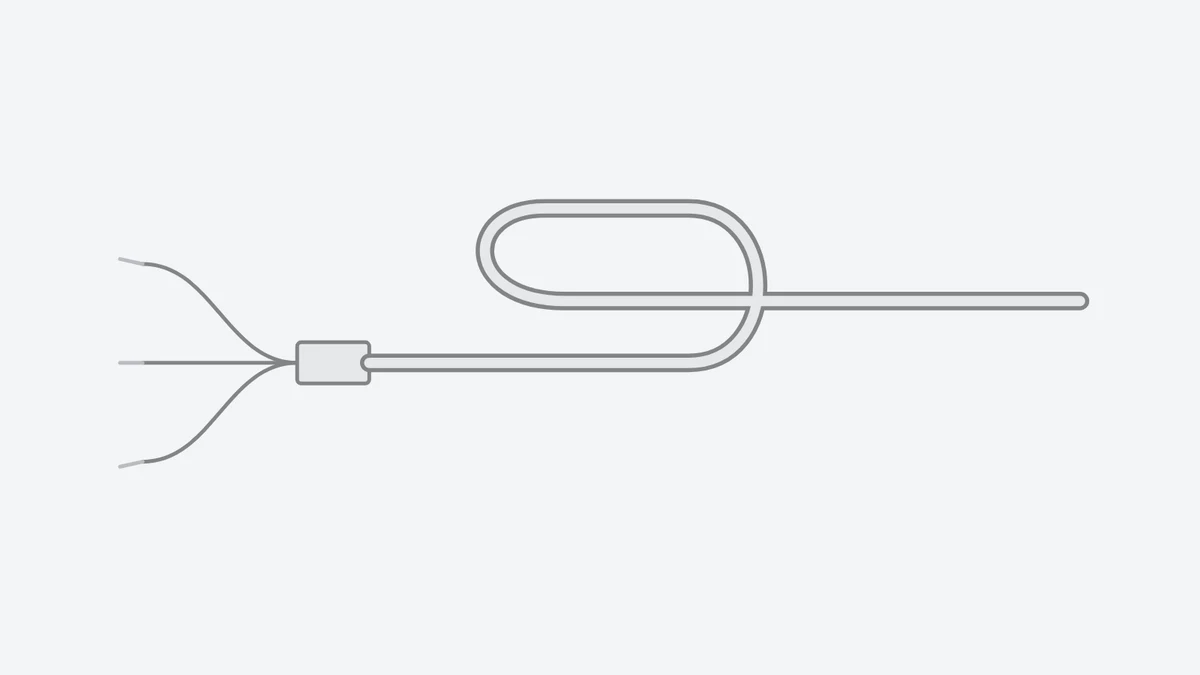
Mineral-Insulated (MI) Cable & Probes
Robust, bendable sensors with fast response for demanding installations.
View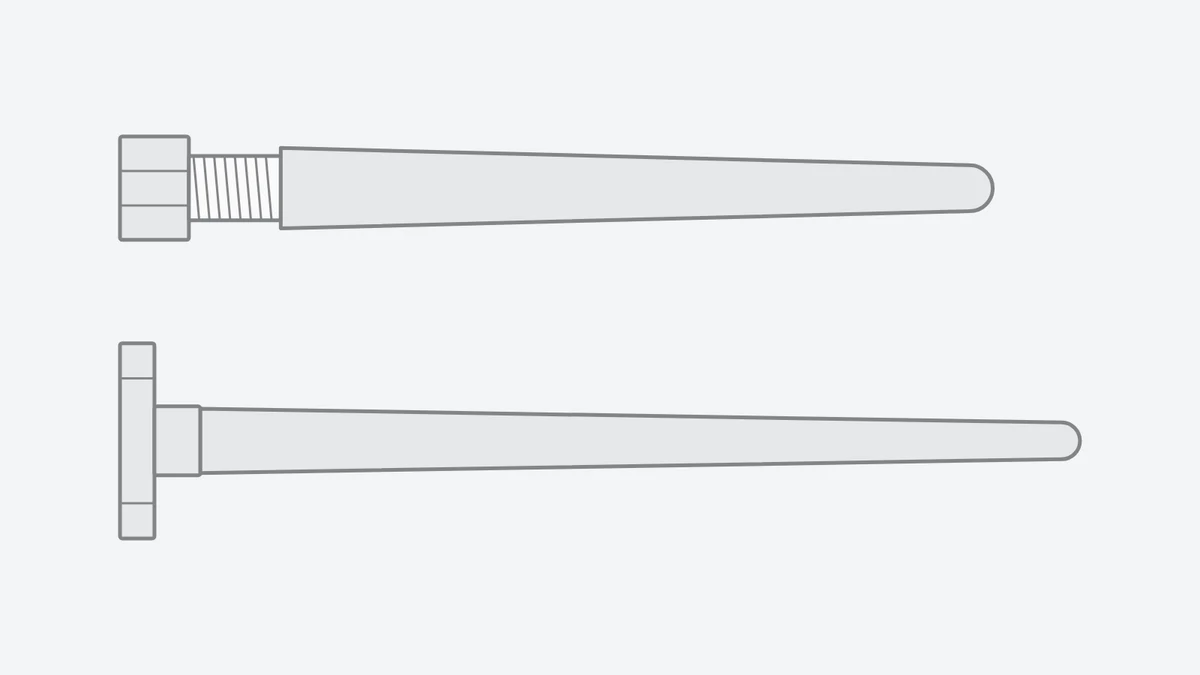
Thermowells: Threaded, Socket-Weld & Flanged
Bar-stock thermowells that protect sensors from pressure, flow and corrosion.
View
Exhaust Gas Temperature Probes
Vibration-resistant probes for engines and turbines.
View
High-Temperature Ceramic & Metal Protection Tube Assemblies
Protected assemblies for furnaces, kilns and aggressive high-temperature atmospheres.
View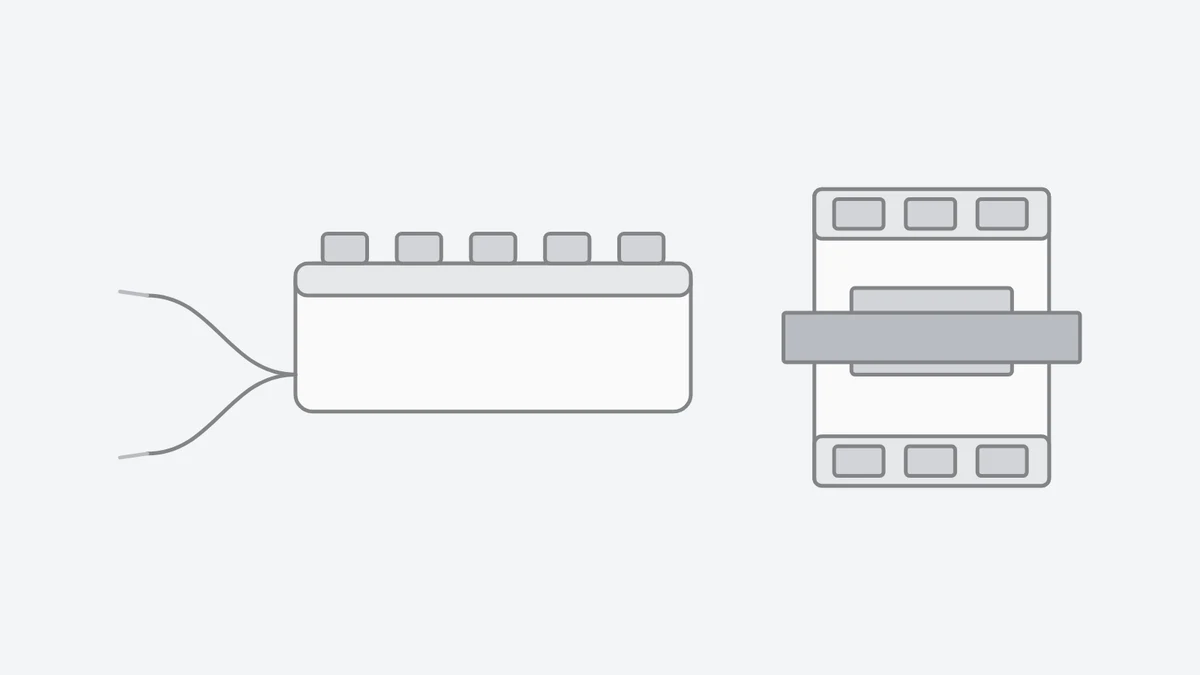
Temperature Transmitters: Head-Mount, DIN-Rail & Field
Convert RTD and thermocouple signals into robust 4–20 mA outputs.
ViewSelection tips
- Accuracy vs. range: RTDs give the best accuracy at lower temperatures; thermocouples cover wider and higher ranges.
- Response time: smaller sheath diameters and grounded junctions respond faster.
- Sheath and protection: match the sheath or protection tube to temperature, pressure and corrosion.
- Atmosphere: oxidising, reducing or sulphur-bearing atmospheres affect which sensor types last.
- Vibration: use mineral-insulated construction, spring-loading or a thermowell where vibration is present.
Need help choosing?
Tell us your application and we will recommend the right sensor. Email sales@temperature.com.ph or send a request.